

- Skin Cancer
Superficial Radiation Therapy (SRT)
What is Superficial Radiation Therapy (SRT)?
Symptoms Patients May Notice
What Treatments Are Available?
- Short, painless office visits
- No anesthesia or downtime
- Excellent cosmetic outcome
- Cure rates comparable to surgery for selected cancers
Why choose Calvert Dermatology
Frequently asked questions
Skin irritation, ranging from redness to peeling and scabbing over
Changes in skin color
Hair loss in the area being treated
When Is This Treatment Recommended?
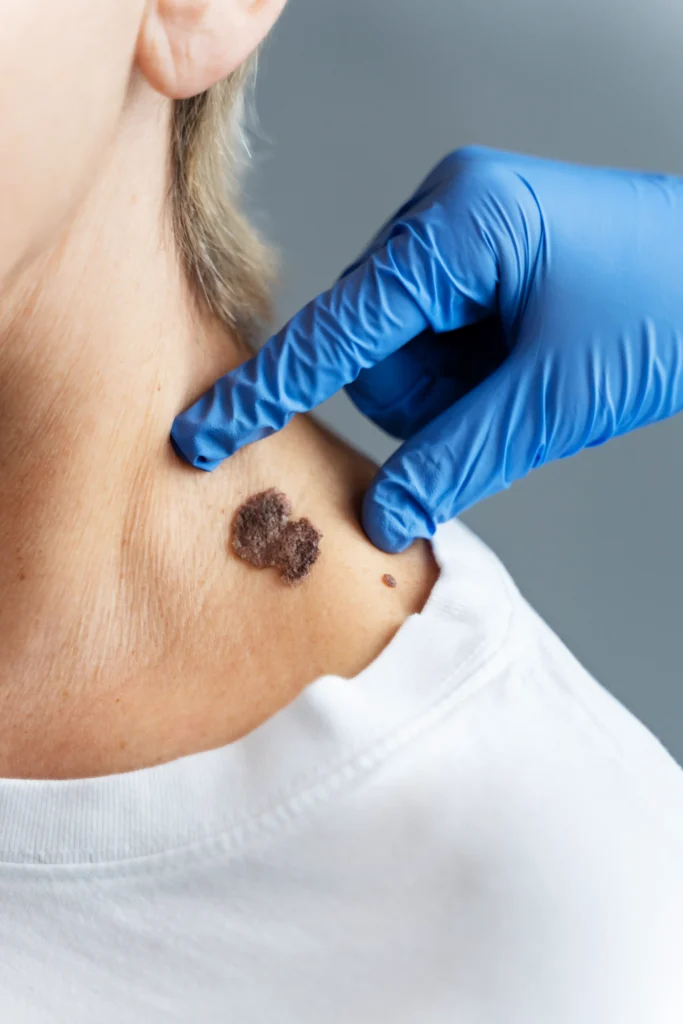
Superficial Radiation Therapy (SRT) may be recommended for certain basal cell carcinomas (BCC) and squamous cell carcinomas (SCC) that are limited to the skin and are appropriate for this type of treatment.
SRT may be considered for patients who are not good candidates for surgery or who prefer a non-surgical treatment option. The decision depends on several factors, including the type, size, location, and characteristics of the skin cancer, as well as the patient’s individual circumstances.
A dermatologist will evaluate the skin cancer and discuss whether SRT is an appropriate treatment option.
What Can I Expect During and After Treatment?
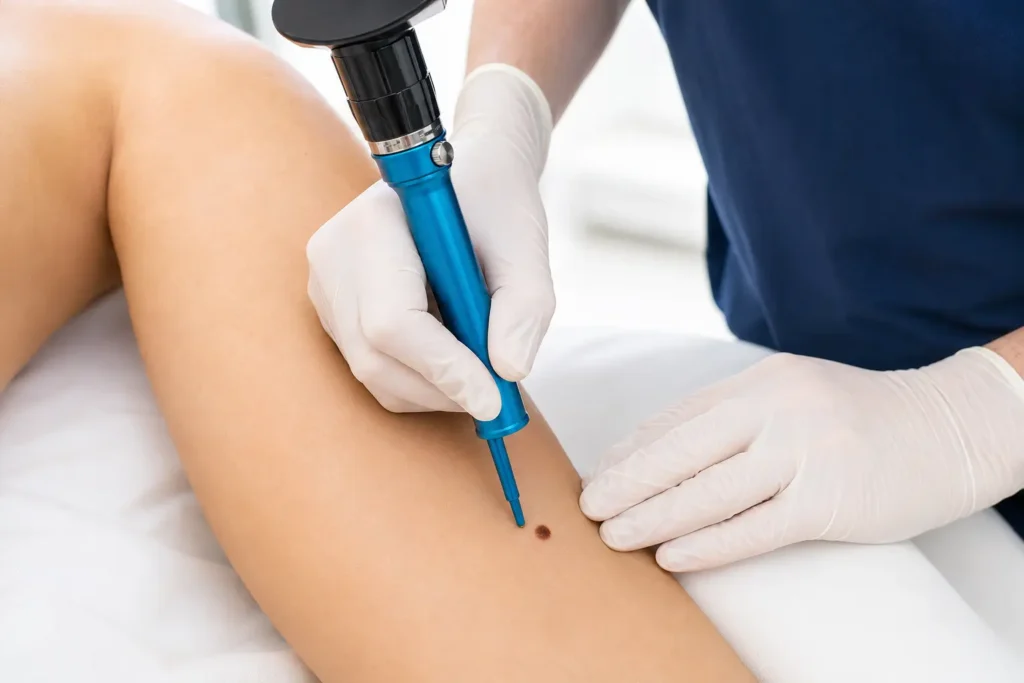
During SRT, a specialized device delivers low-energy X-rays directly to the affected area of the skin. The treatment is non-surgical and does not require an incision or stitches.
Treatment is generally performed in an outpatient setting. The number and frequency of treatment sessions depend on the individual treatment plan.
After treatment, the treated area may develop temporary skin changes such as redness, irritation, dryness, or tenderness. These effects may develop during or after the treatment and generally improve over time. Your dermatology team will provide specific instructions for caring for the treated area and monitoring the skin during recovery.
- Schedule
Book Superficial Radiation Therapy (SRT)
Learn More About Superficial Radiation Therapy (SRT)
Ready to Schedule an Appointment?
Services


- Educational
Have questions before your visit? Our resources library covers the most common conditions in plain language.
Existing Patients
Ready to schedule your next visit?
Connect with our experts to discuss your skin care needs